 |
 |
Regional Training Course on Insecticide Resistance Monitoring in Malaria Vectors – Organized by the Faculty of Medicine, University of Kelaniya (2nd–4th June 2026)
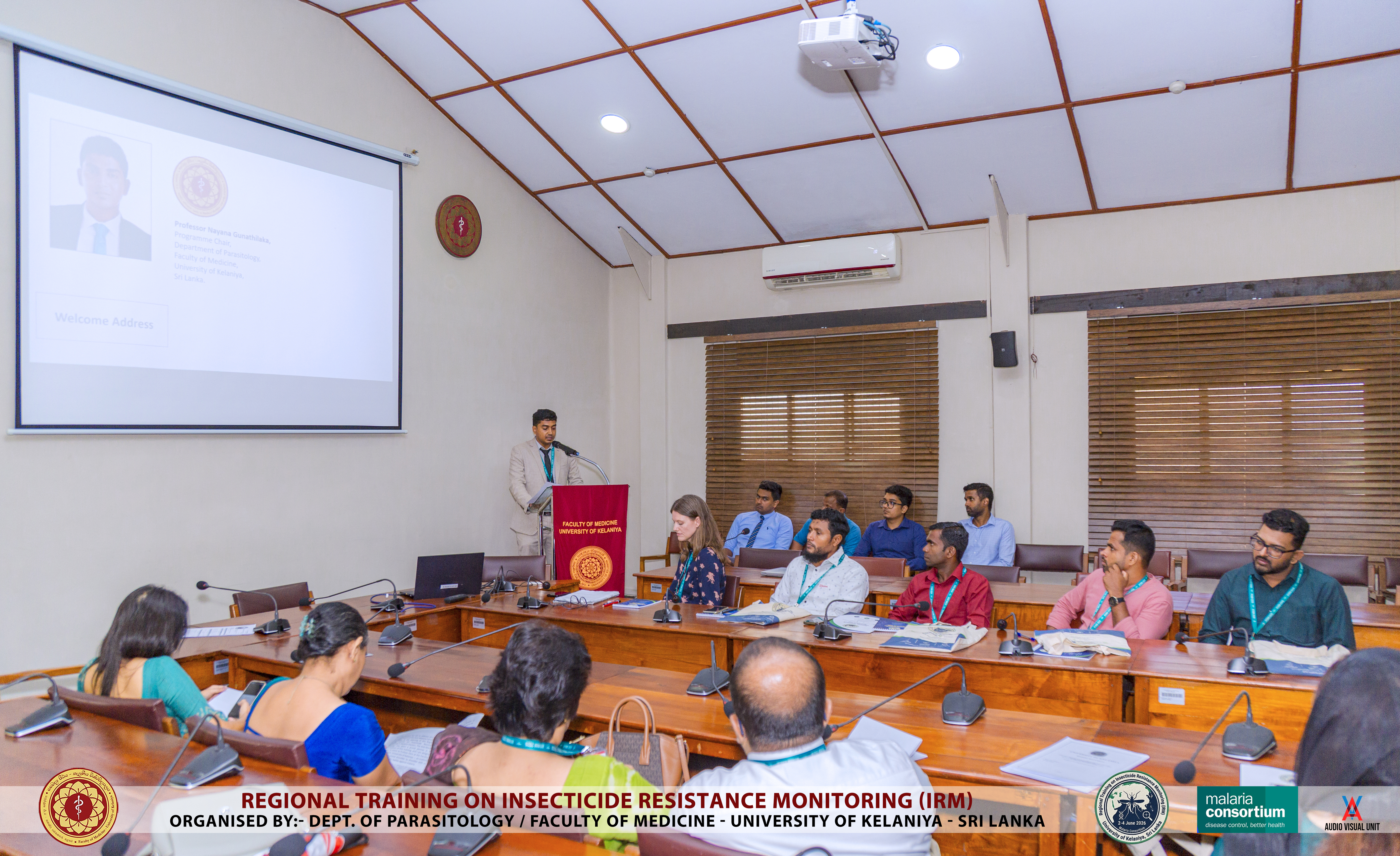
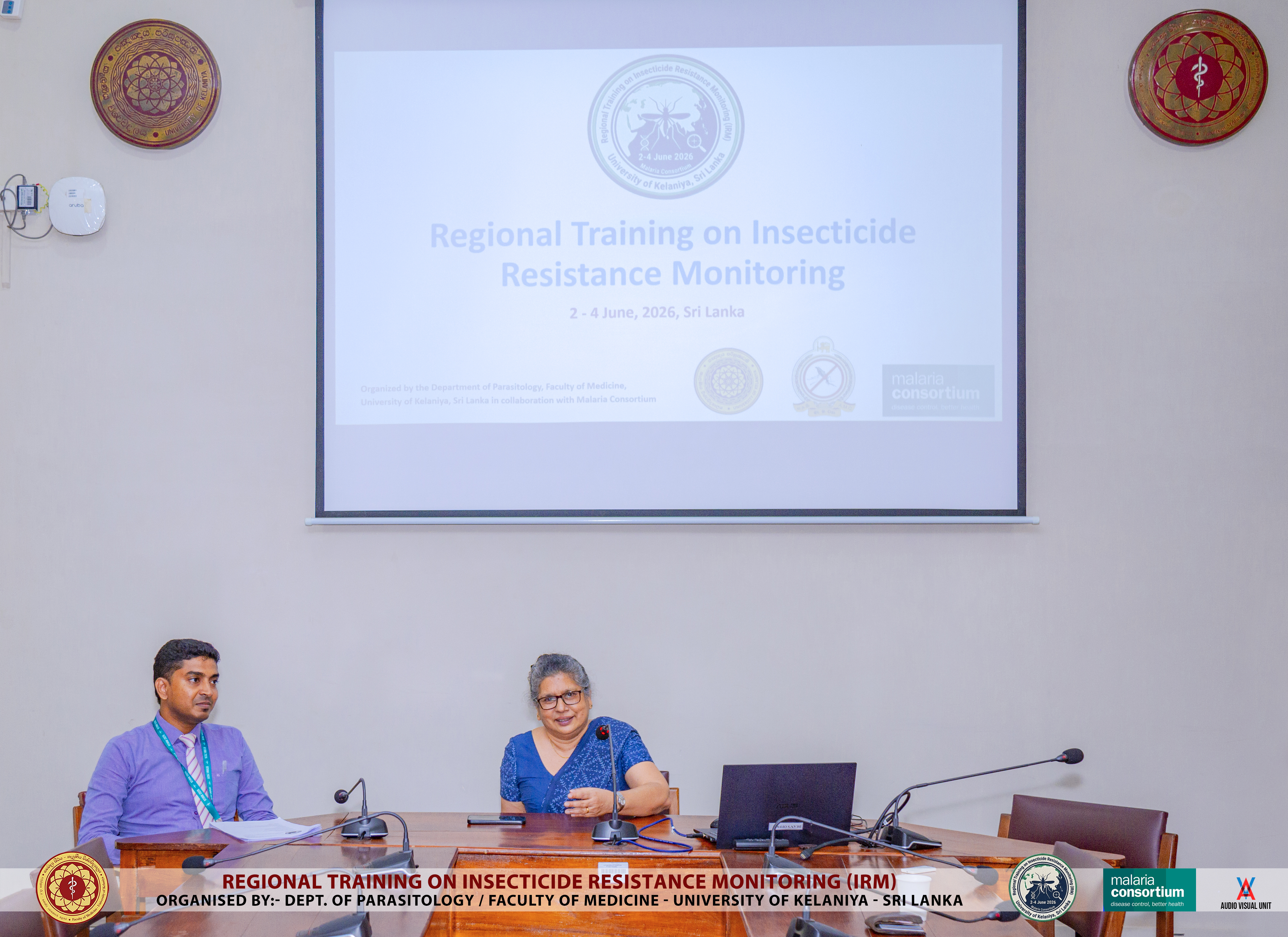
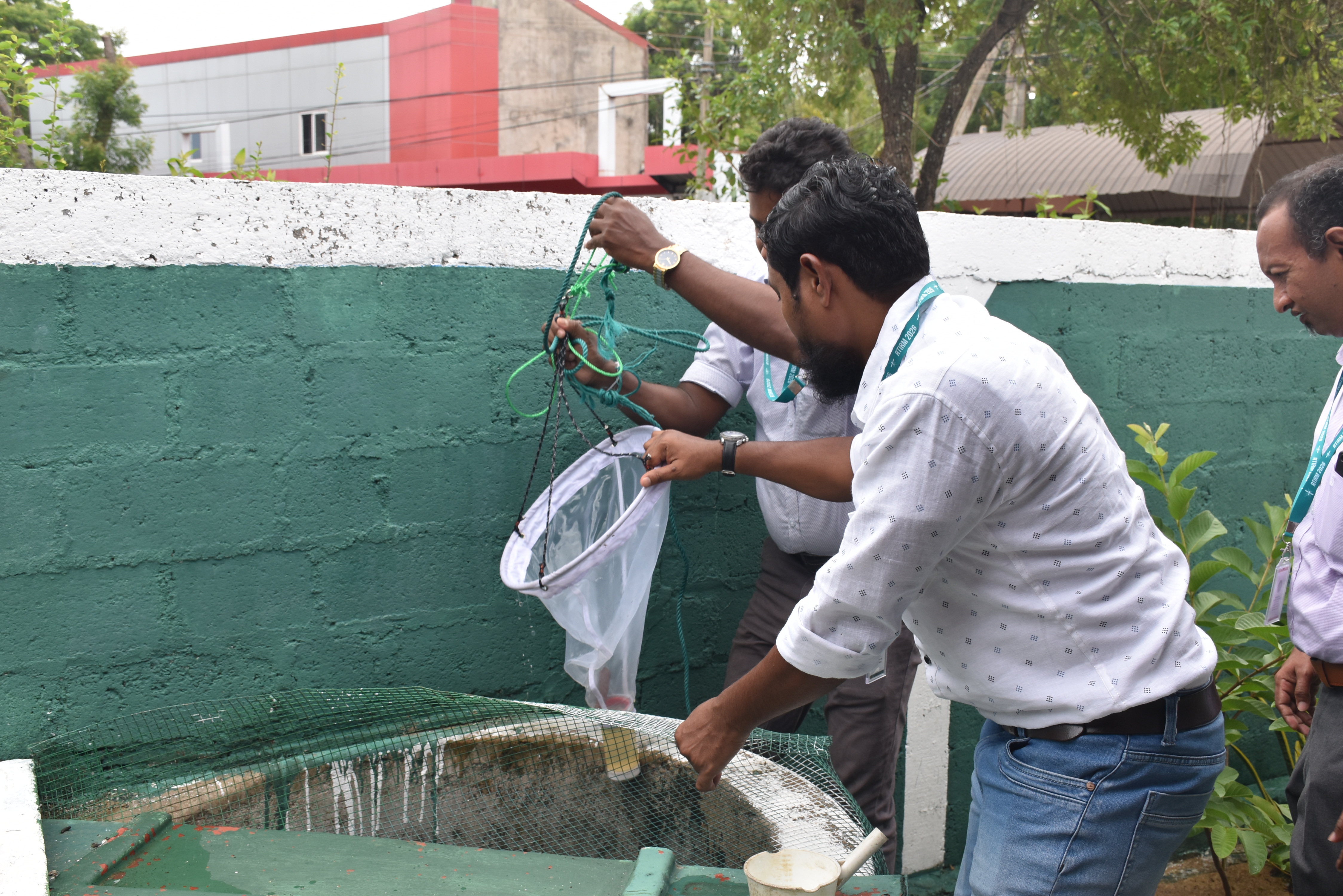
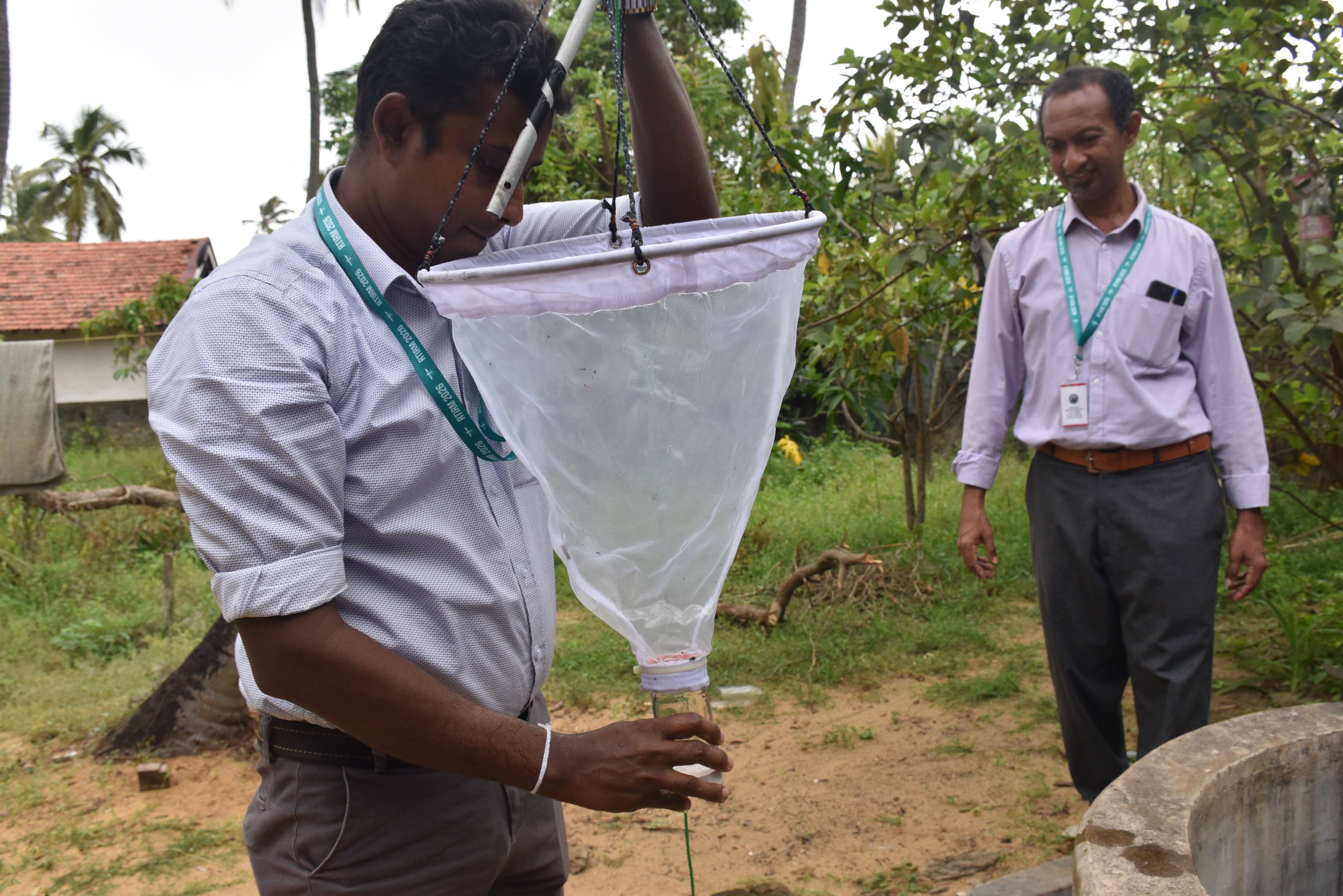
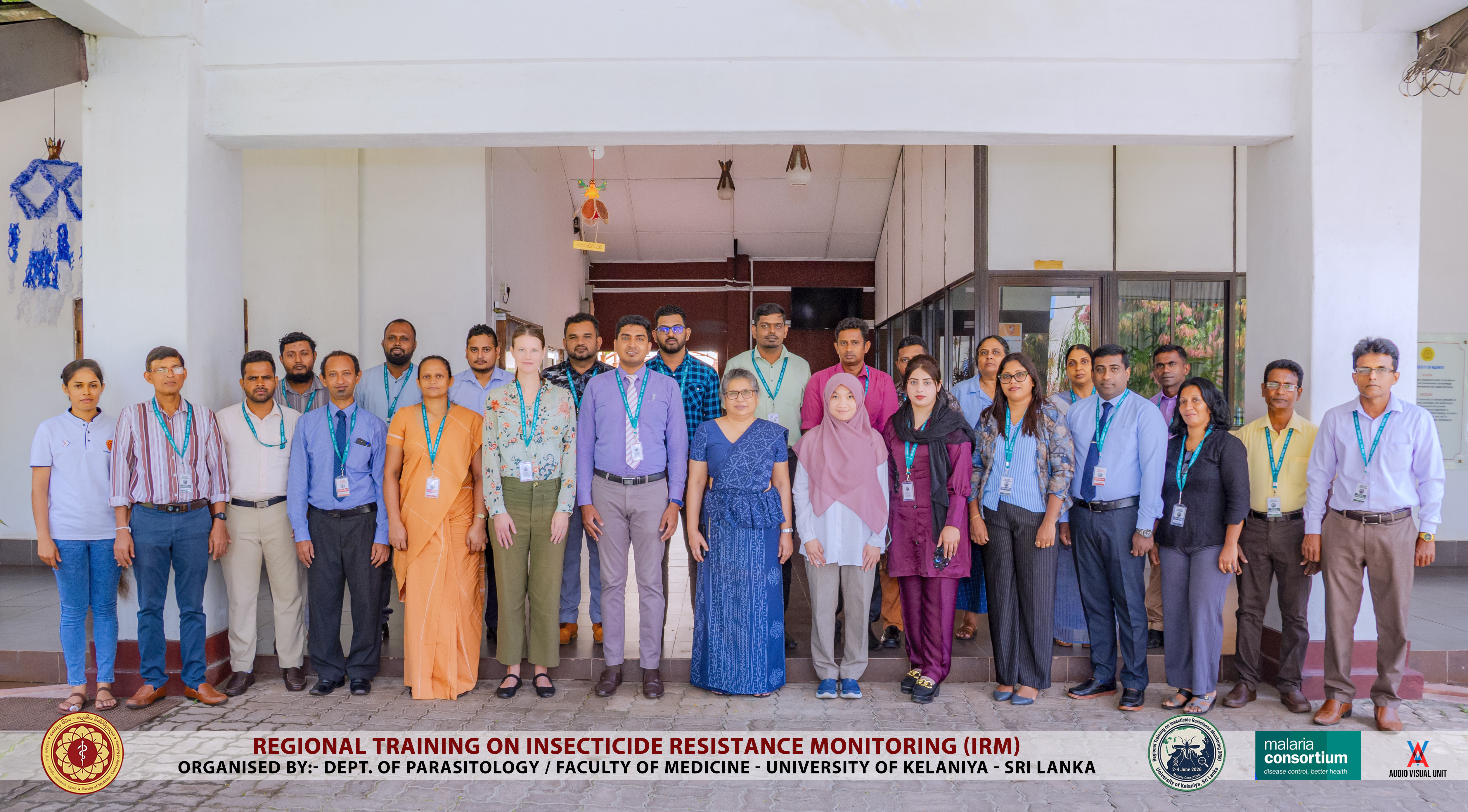
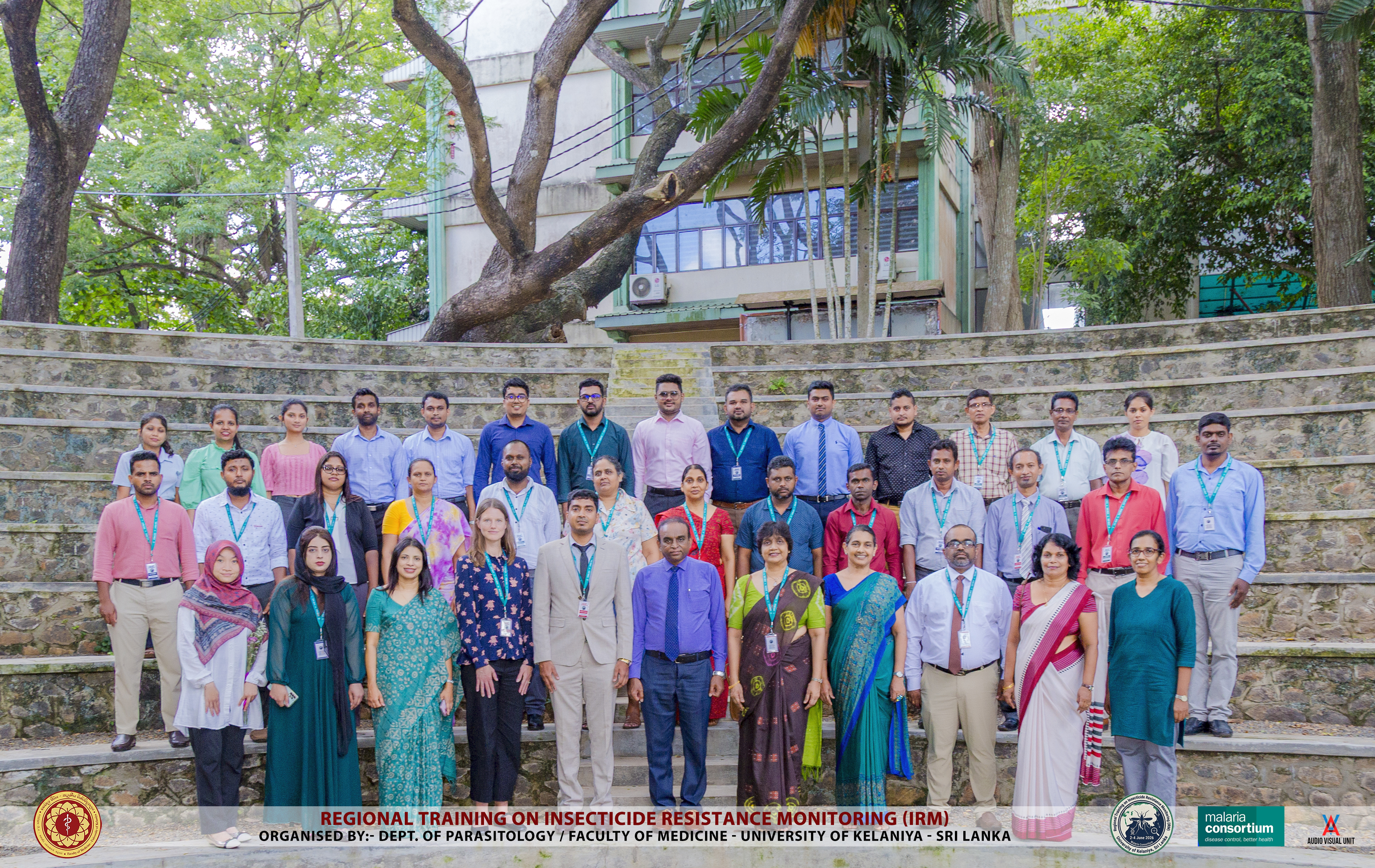
The Department of Parasitology, Faculty of Medicine, University of Kelaniya, successfully conducted the Regional Training Course on Insecticide Resistance Monitoring in Malaria Vectors from 2nd to 4th June 2026 at the Faculty of Medicine, Ragama, with a field training session conducted in Puttalam District.
The programme was jointly organised by the Department of Parasitology in collaboration with Malaria Consortium, the Asia Pacific Leaders Malaria Alliance (APLMA), the Asia Pacific Malaria Elimination Network (APMEN), and the Anti-Malaria Campaign of Sri Lanka. The event was fully funded by Malaria Consortium.
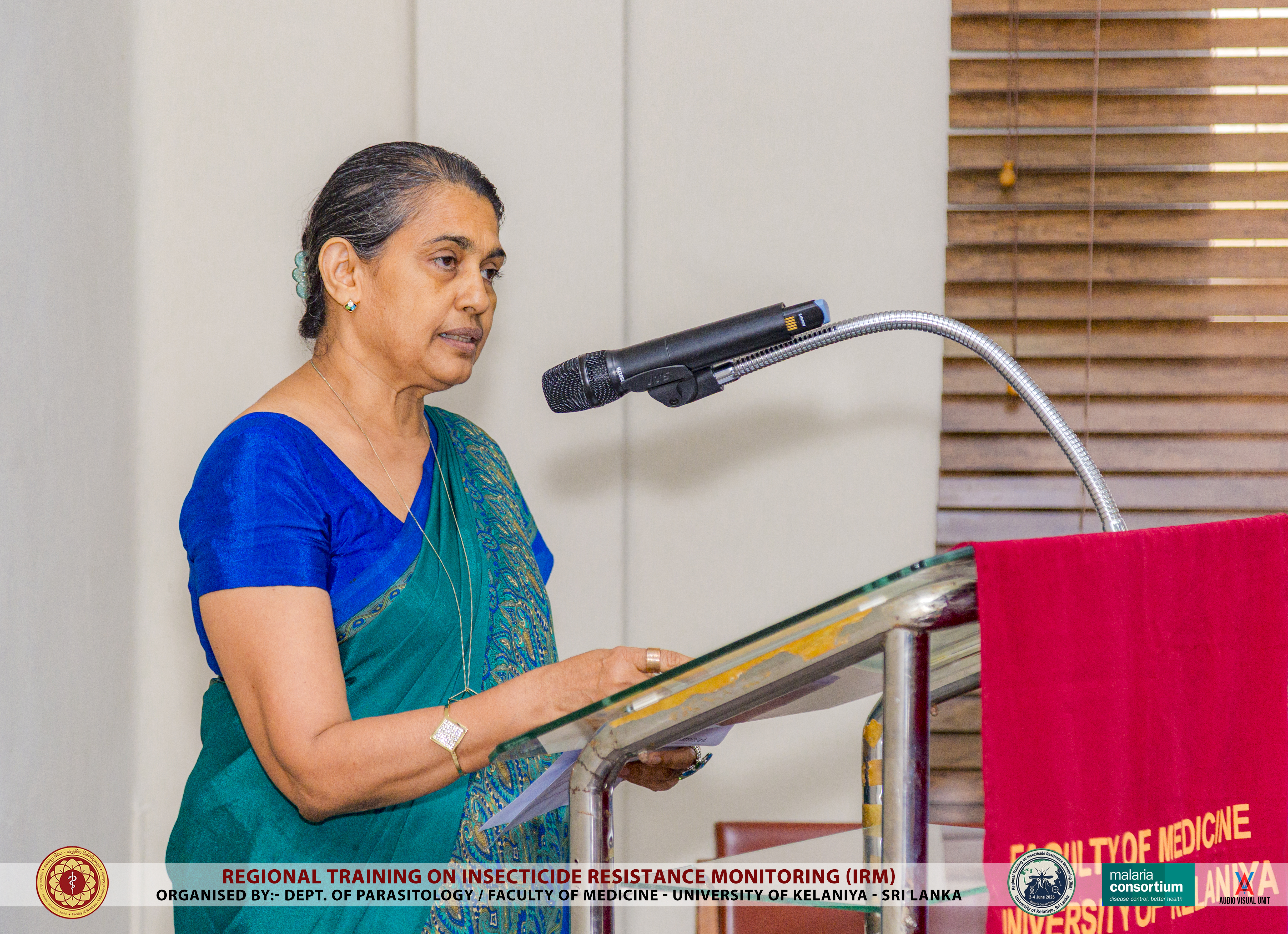
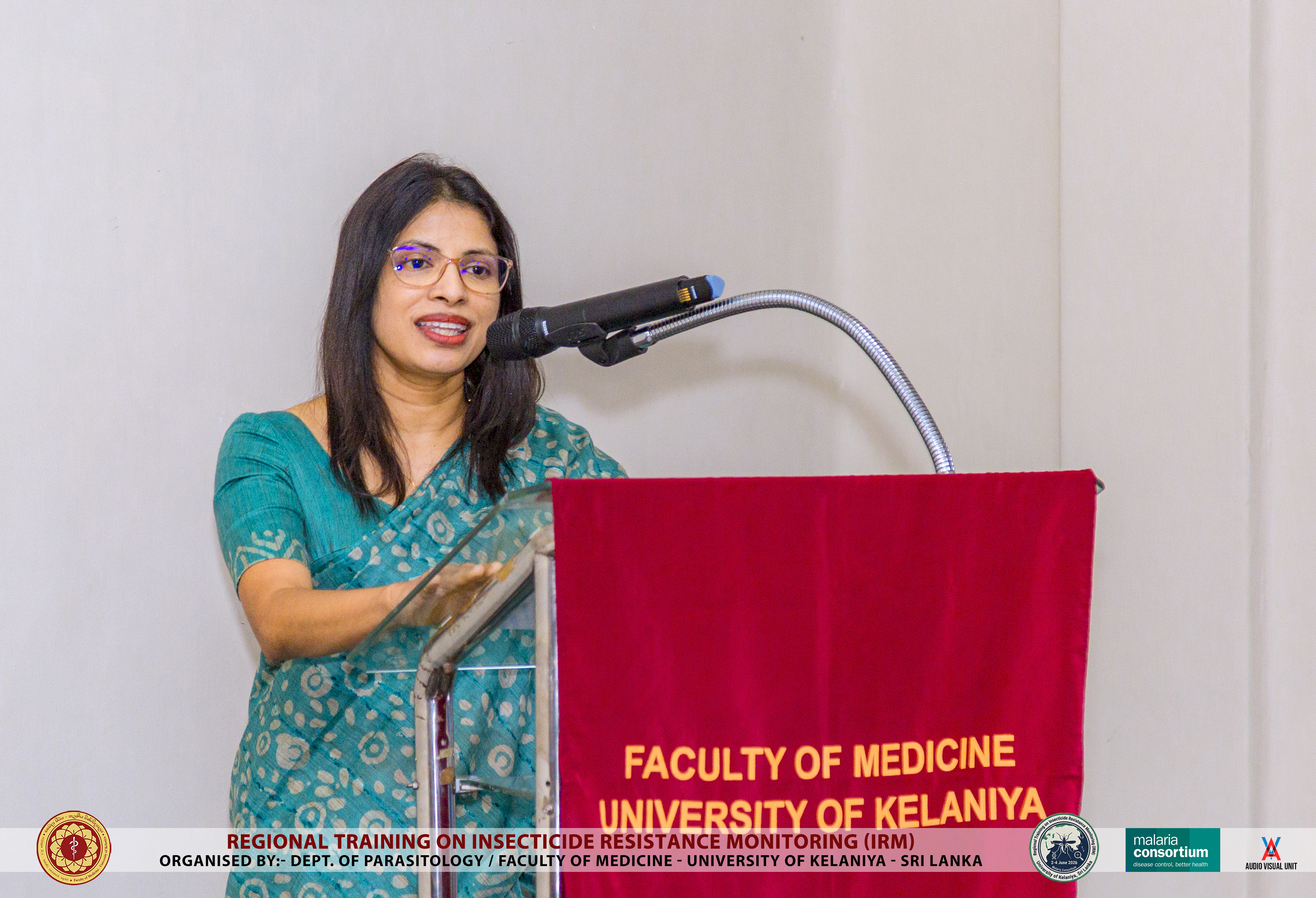
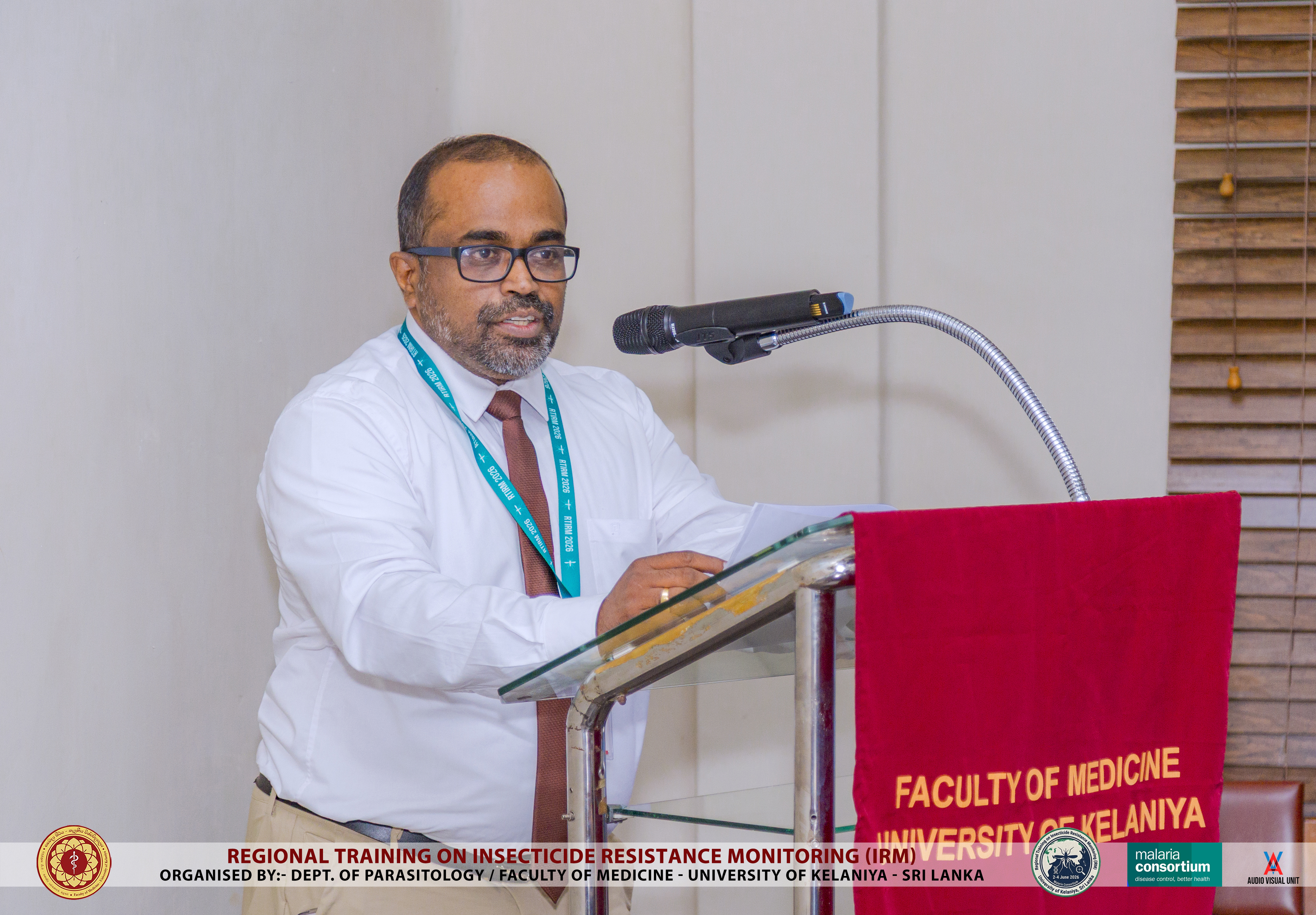
The training programme was organised under the leadership of Professor Nayana Gunathilaka, Programme Chair and Professor in Parasitology at the Faculty of Medicine, University of Kelaniya. The opening ceremony was graced by Professor Chamila Mettananda, Acting Dean of the Faculty of Medicine, University of Kelaniya, together with several distinguished national and international experts who actively contributed to the programme as resource persons and collaborators.
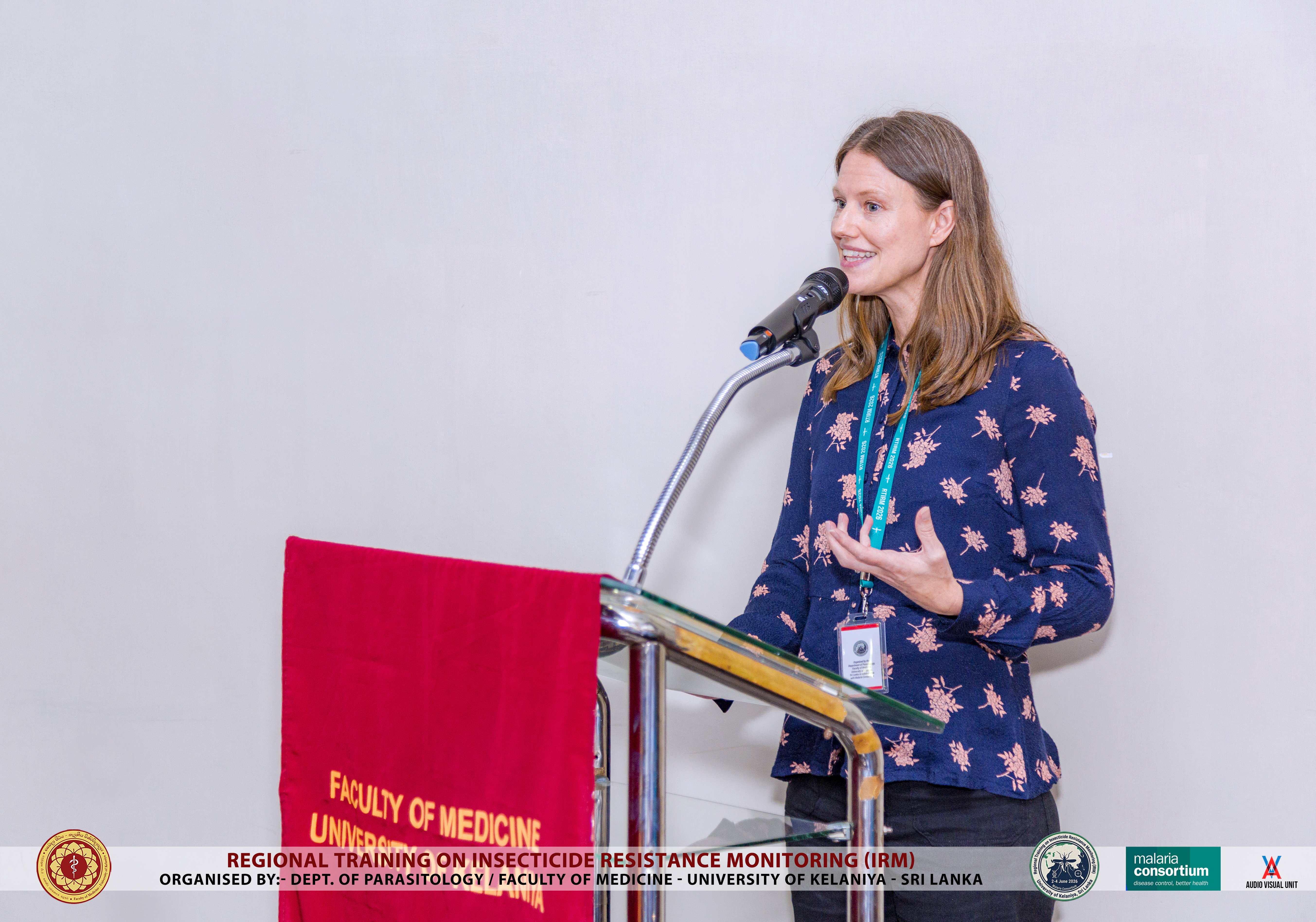
Among the key contributors to the training programme were Dr. Usha Jayasuriya, Director of the Anti-Malaria Campaign, Sri Lanka; Dr. Pubudu Chulasiri, Programme Coordinator from the Ministry of Health and Consultant Community Physician attached to the Anti-Malaria Campaign, Sri Lanka; and Dr. Lisa Reimer, Lead for Insecticide Resistance and Vector Control at the Centers for Disease Control and Prevention (CDC), Atlanta, USA. Their expertise and contributions played a significant role in the successful conduct of the training programme.
Sri Lanka was selected as the host country in recognition of its remarkable achievement in malaria elimination and its growing importance in addressing emerging vector-related public health challenges, including the recent detection of Anopheles stephensi, an invasive urban malaria vector in South Asia. These developments highlight the importance of strengthening regional expertise in vector surveillance and insecticide resistance monitoring.
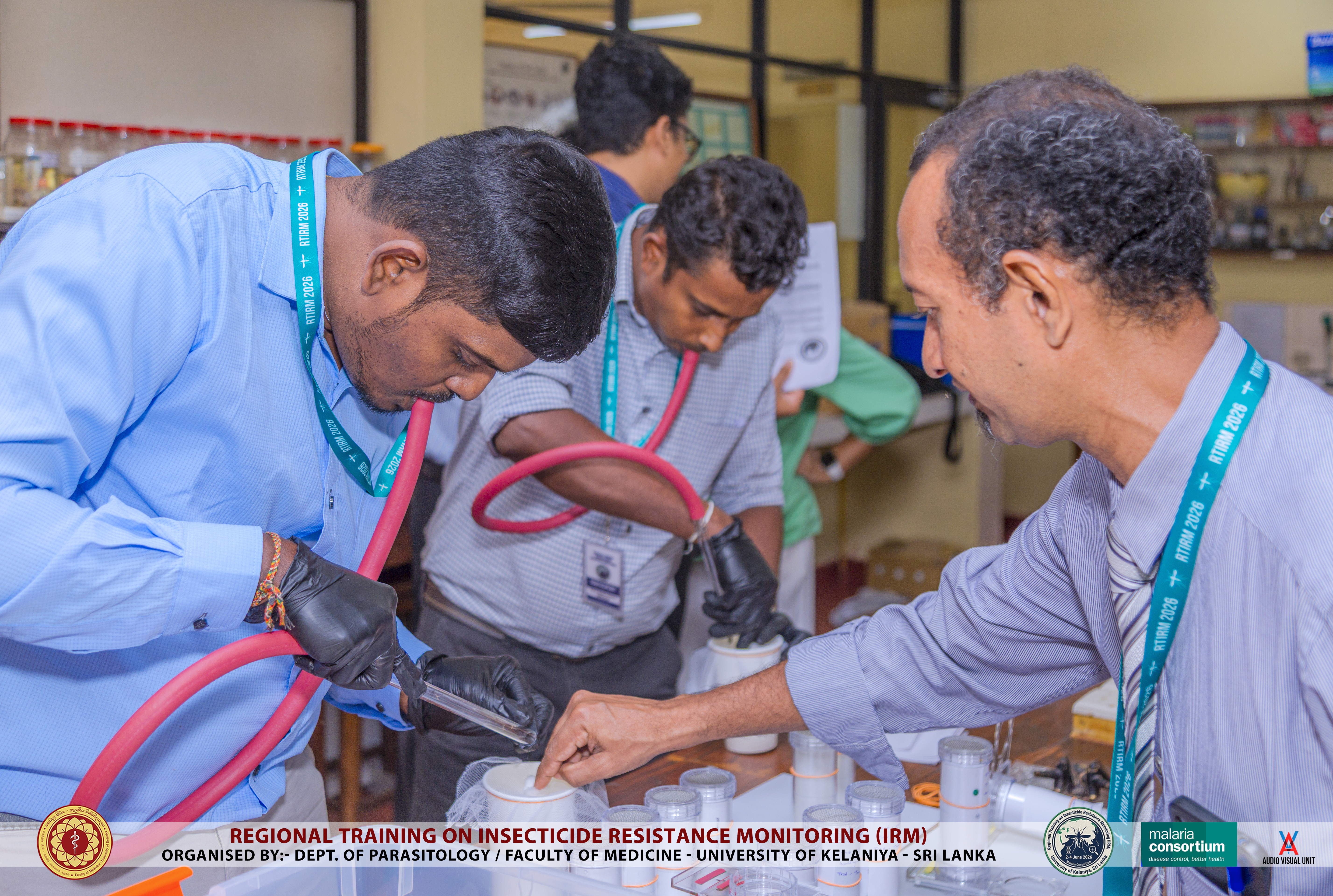
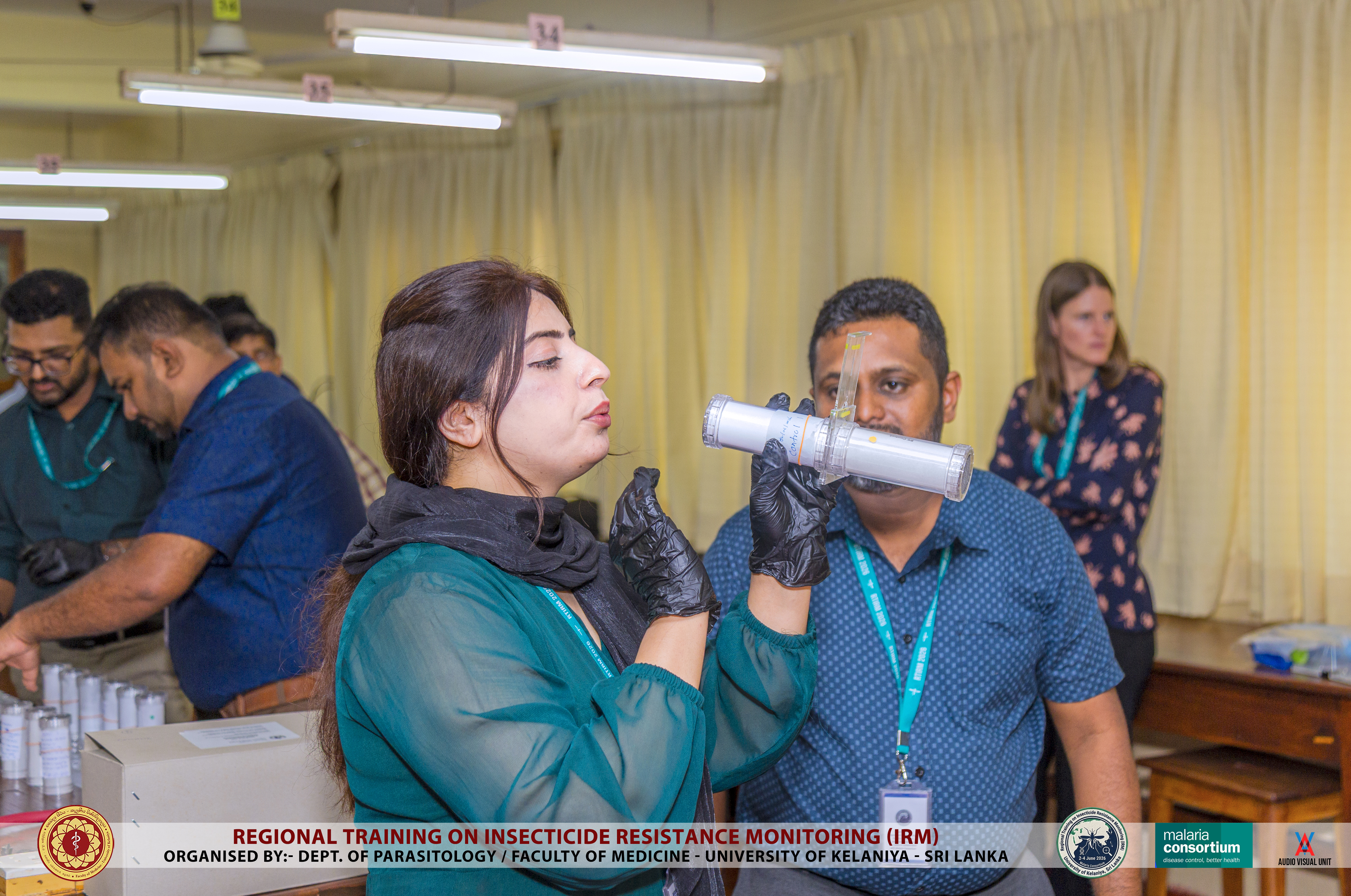
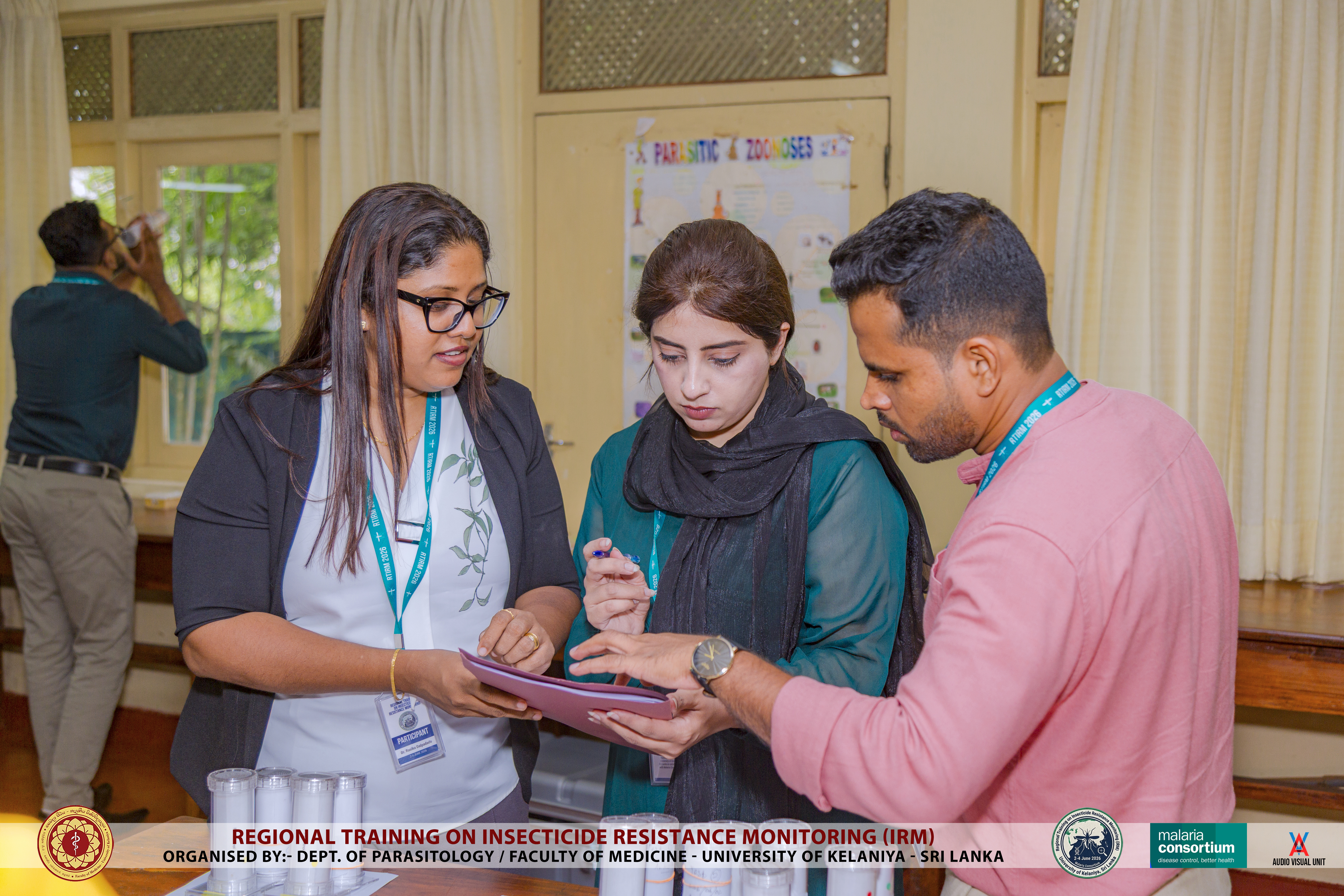
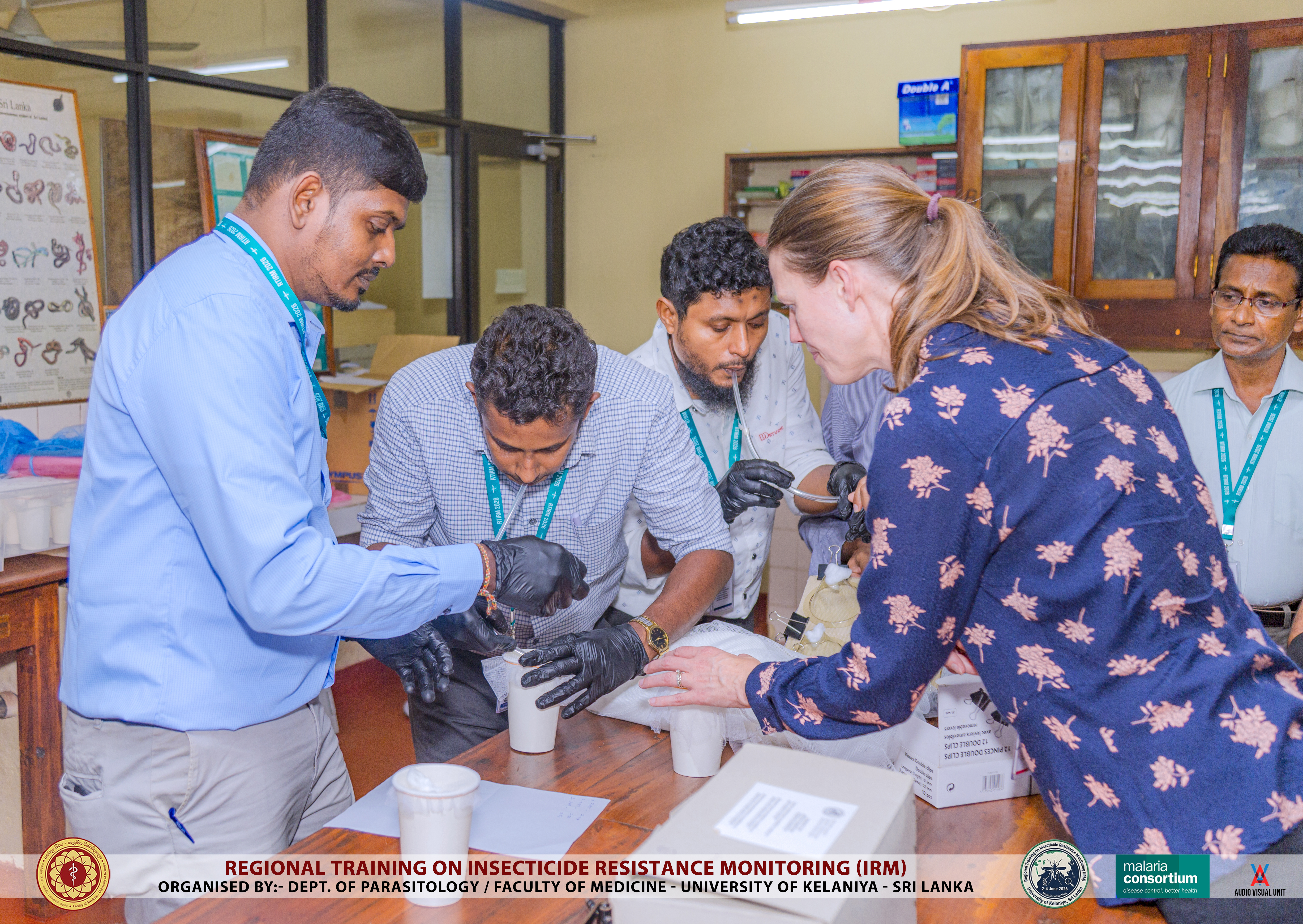
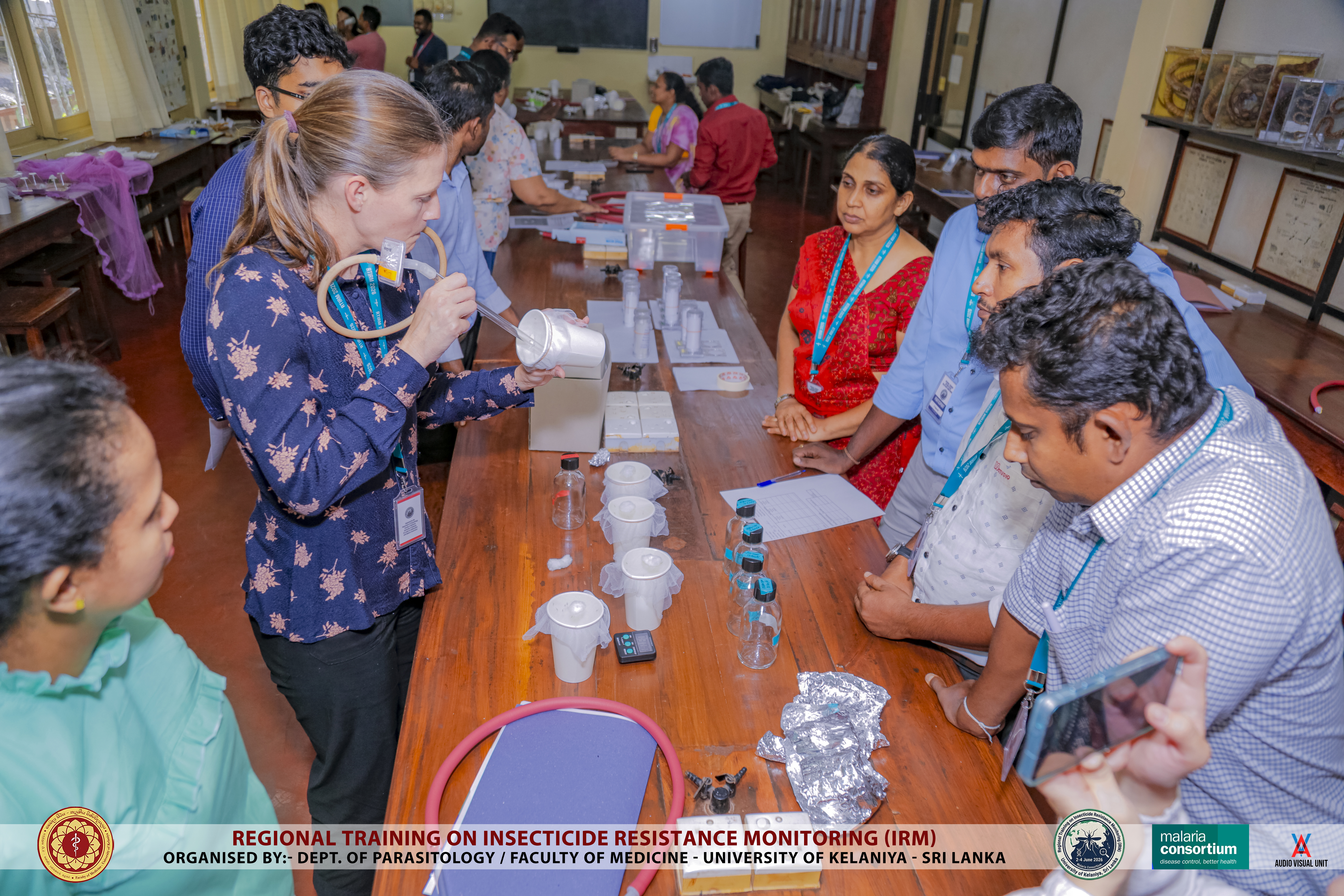
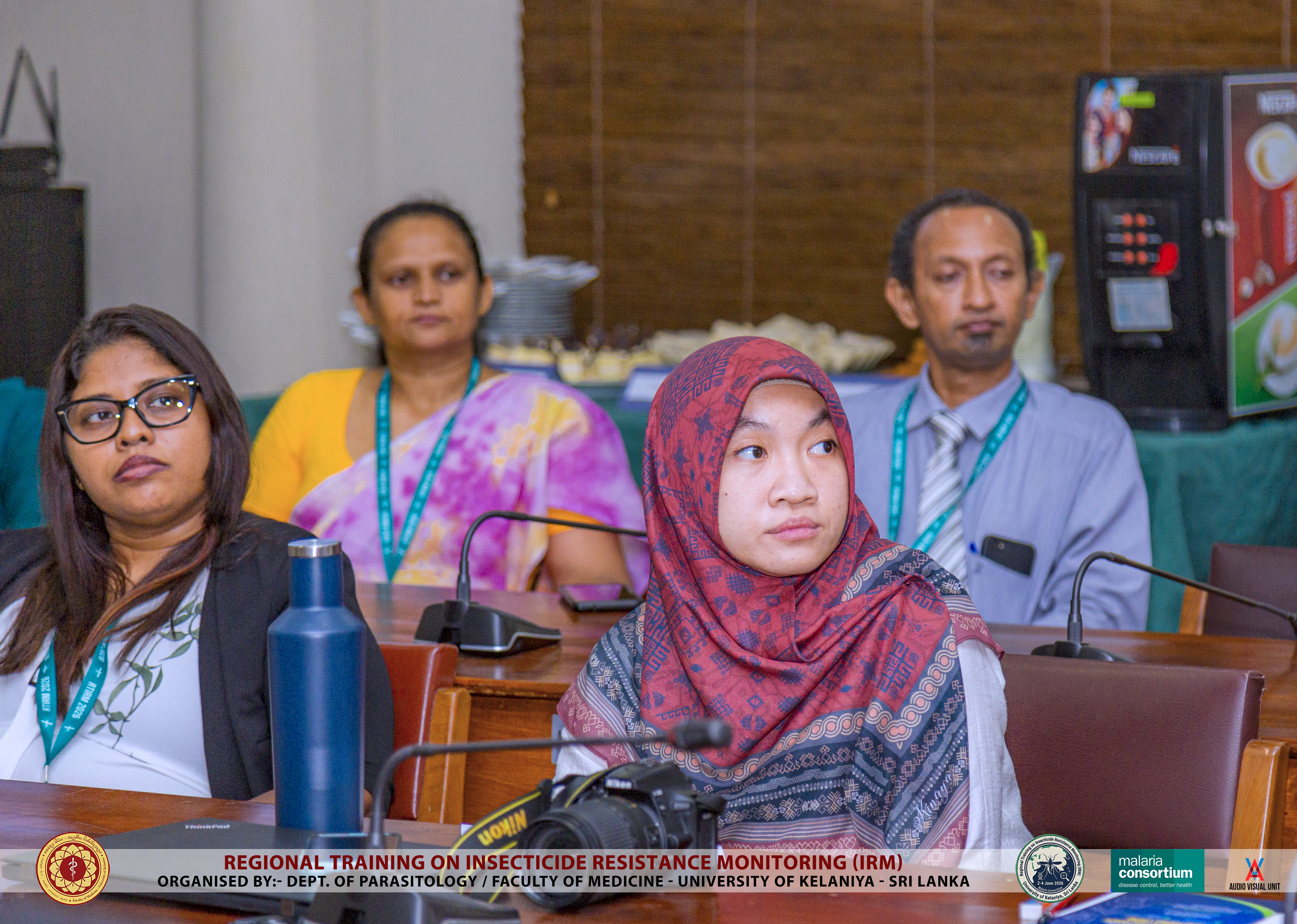
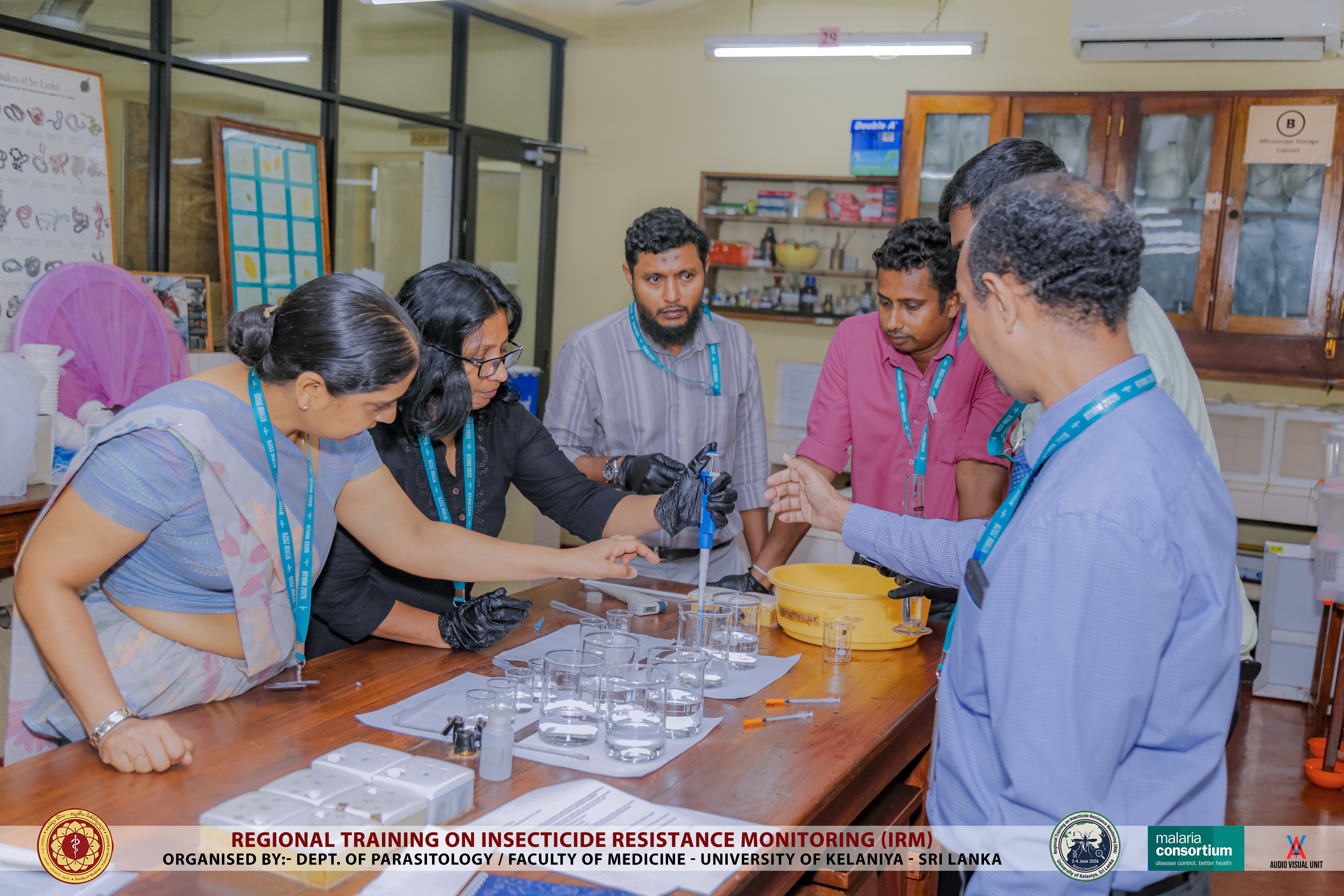
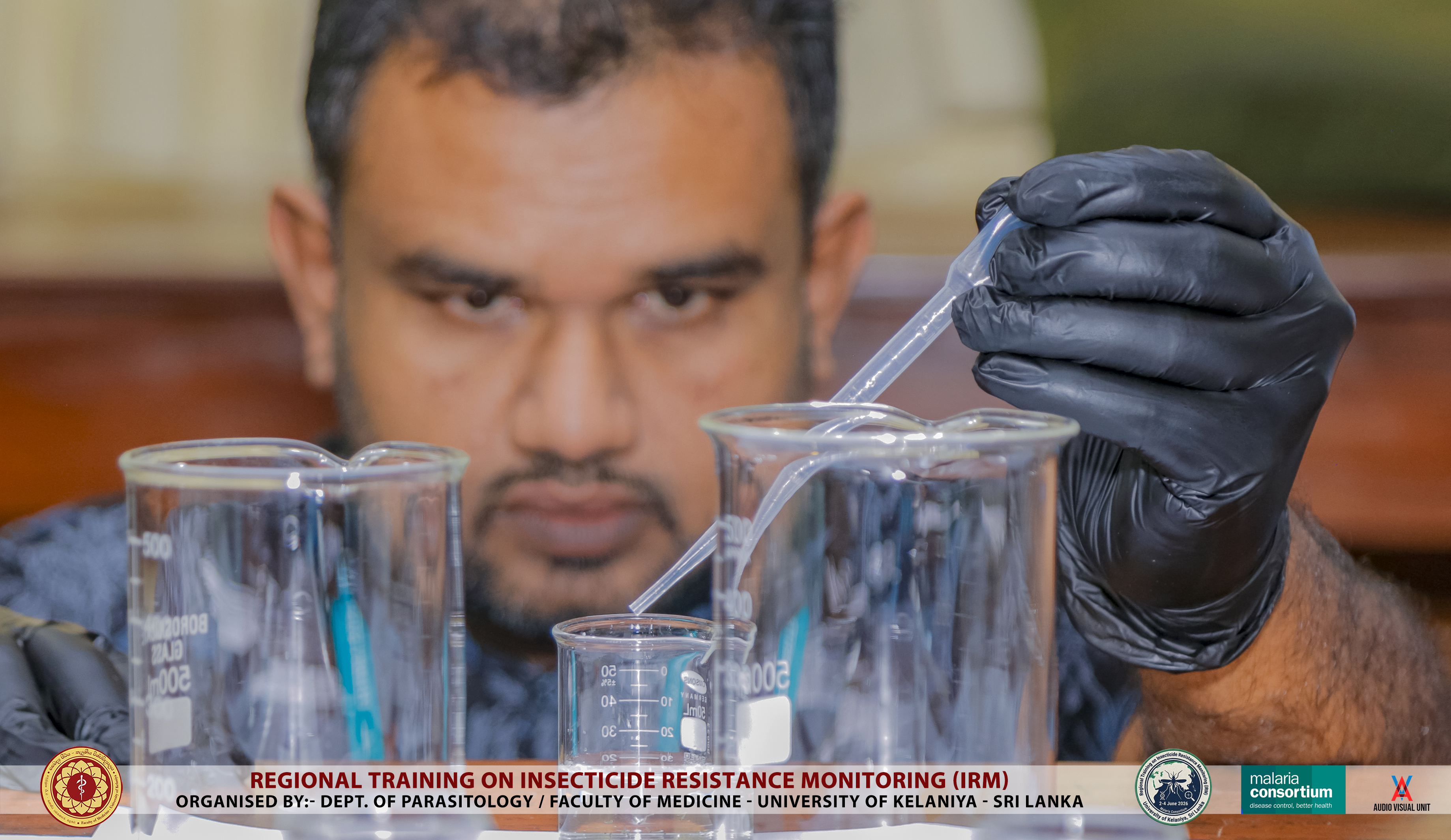
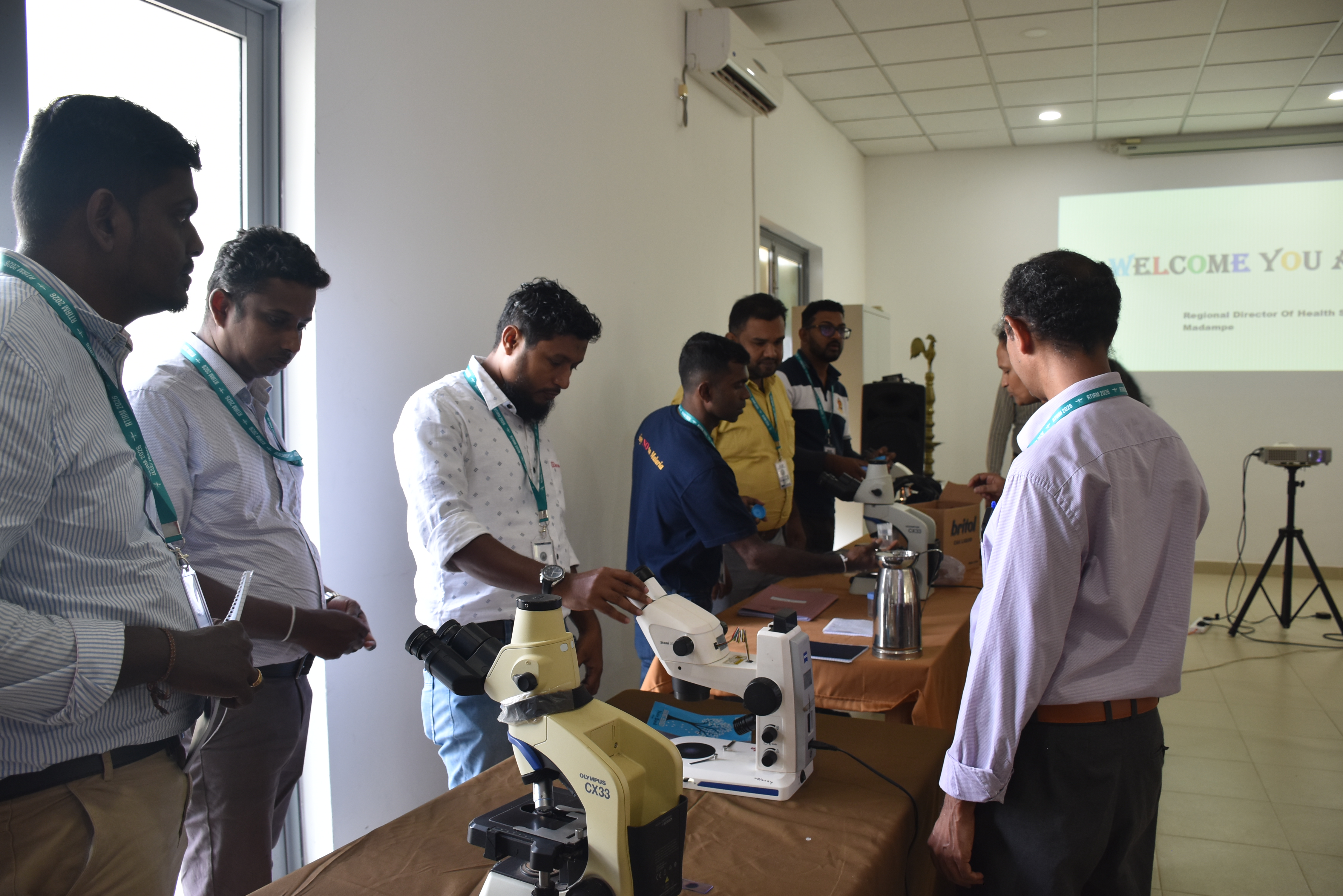
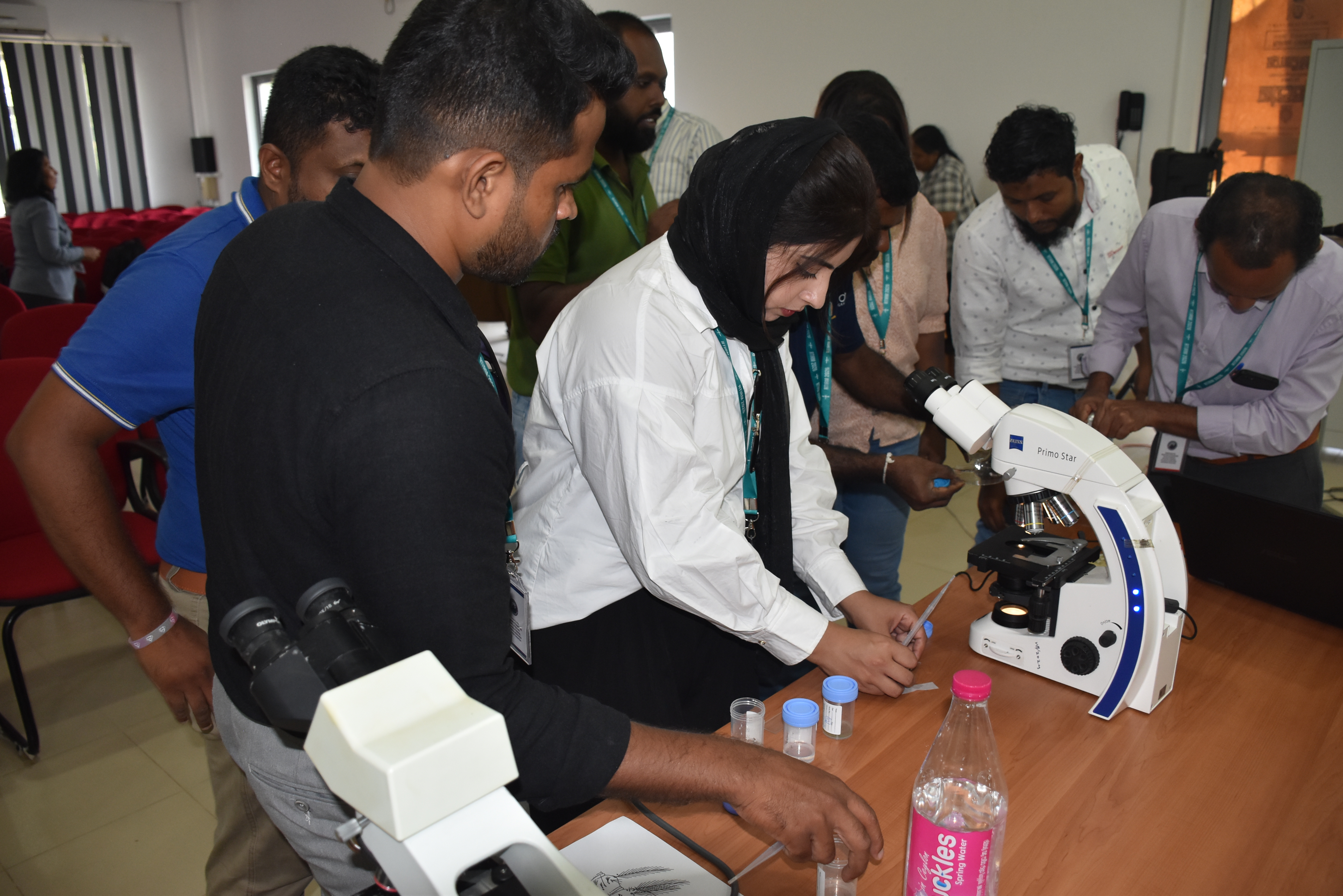
The course brought together eleven participants, including officers from the Anti-Malaria Campaign of Sri Lanka and representatives from neighbouring countries in the Asia-Pacific region. Participants received intensive hands-on training in standardised vector surveillance and insecticide resistance monitoring techniques, including the WHO Tube Assay, CDC Bottle Assay, ITN Cone Test, and larval bioassay methods.
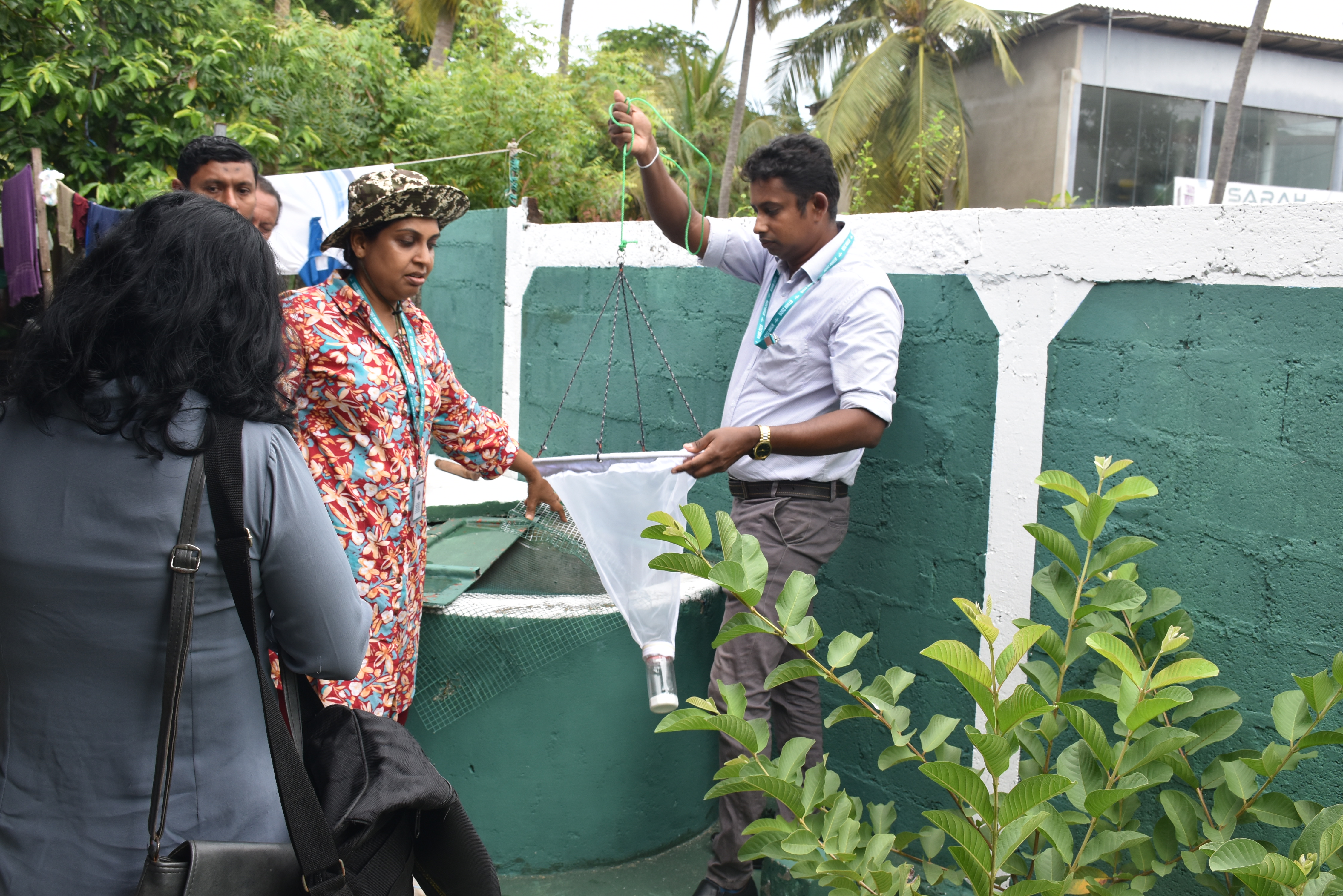
The programme also included practical laboratory sessions and a supervised field exercise in Puttalam District, where participants engaged in mosquito larval surveillance, collection, and identification activities. The sessions were facilitated by a panel of national and international experts representing the Centers for Disease Control and Prevention (CDC), Malaria Consortium, the Anti-Malaria Campaign of Sri Lanka, and the University of Kelaniya.
Insecticide resistance remains one of the major threats to effective malaria vector control worldwide. By enhancing the technical capacity of programme officers and regional stakeholders in the early detection and monitoring of resistance patterns, this training programme contributed significantly towards ongoing malaria prevention and elimination efforts across the South Asian region.
The Faculty of Medicine, University of Kelaniya, is proud to contribute to regional public health capacity building through collaborative initiatives of this nature.